
So much of everyday life, including the innumerable religious festivals in India are dominated and determined by the lunar calendar. While the gross impact of the moon on water, especially the tidal waves is well known, the more subtle effects on humans and plants, less so. Biodynamic methods of farming acknowledge the cycles of the moon as fundamental to a good harvest as they incorporate cosmic energy to minimise disease and aid growth.
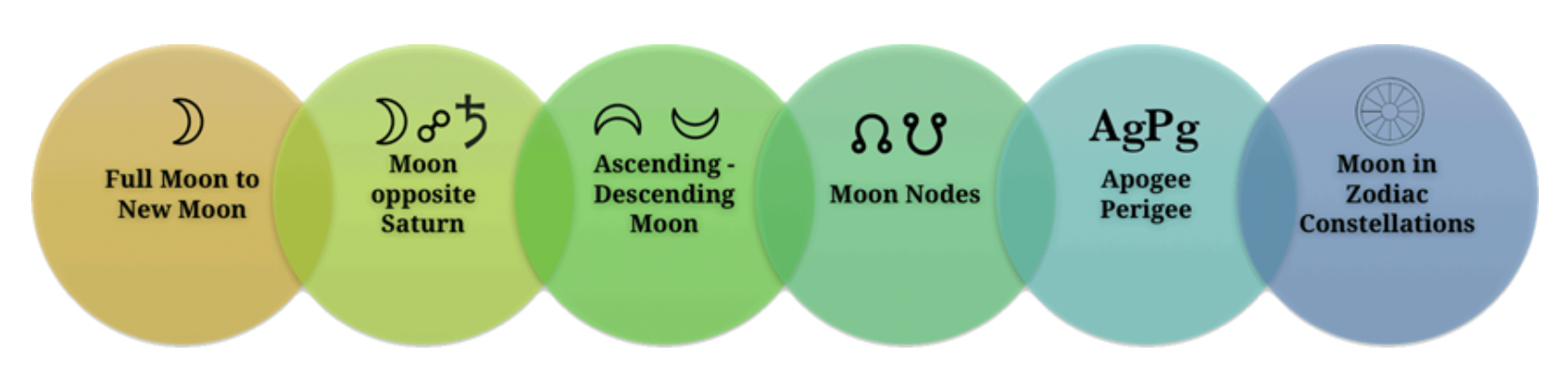
At a recent Biodynamic meeting, I was fascinated to see a Planting Calendar based on the 6 cycles of the moon. I thought there was only one – Full to New and back.
Every 27.3 days, the Moon and Saturn are on opposite sides of the Earth. This is a great time for planting as their forces synergise to produce strong plants of high quality. Organic wine growers have been using this technique for a long time.
Like inhalation and exhalation, the Moon ascends and descends. The ascending phase is great for harvesting as the natural flow of energy is upward and the descending phase is a good time for transplanting saplings as the downward energy helps them take root.
Apogee is when the Moon is furthest from the Earth, a great time to sow potatoes. Perigee is the point in the orbit of the moon when it is nearest to the Earth. This means there is more moisture in the soil, making the plants more prone to fungus and insect attacks.
Nodes occur when the Sun-Earth-Moon are in line. It happens twice every month. It’s a bad time for any horticultural activity as the Sun’s beneficial influence is negated on these days.
As the Moon passes through various Zodiac constellations, it exerts different influences on different types of plants. At this point, my cognitive abilities were saturated, and I had to leave the rest for later.
I shall have mercy on you and stop here.
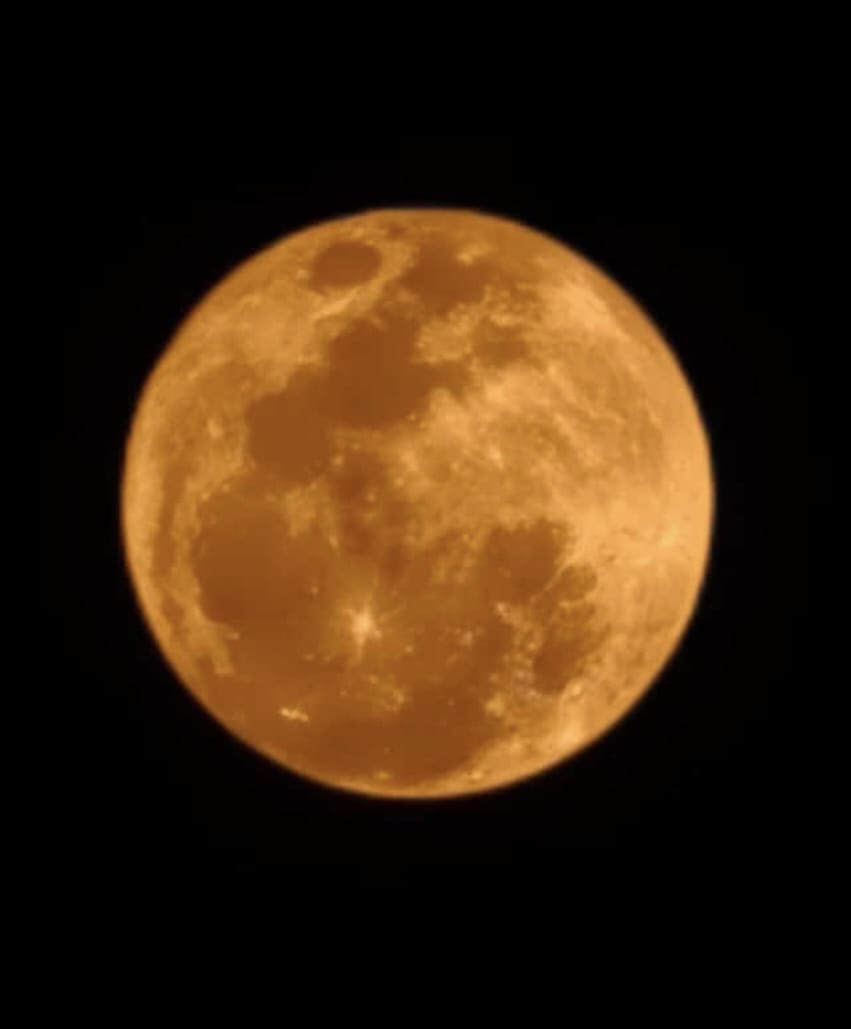
Splendiferousness from last night. I am sure Saagar would say something like,”Big-ass Moon. Innit?”
 kidsaregifts