Me and Thee

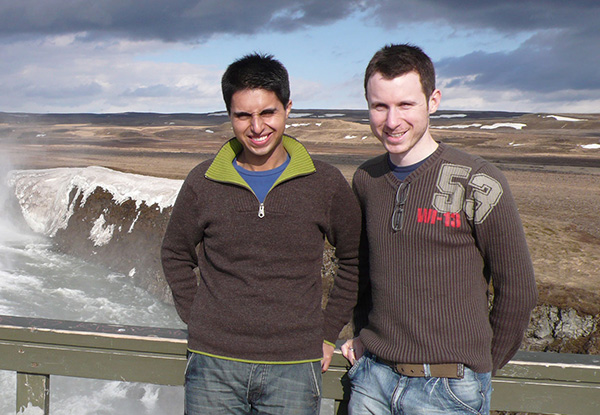
Ron and Jeanette

The first time I saw Jeanette, she was acting in a play called ‘Hearing Things’ being staged at South London and Maudsley (SLaM) Hospital, where Saagar received (inadequate) treatment. The play was inspired by events and conversations from real ward rounds of patients with serious mental illnesses. It was written by the playwright often described by critics as the ‘English Chekhov’- Philip Osment, well known for giving a voice to those at the margins of society.

The play highlighted harsh facts through a story sensitively told. Just three actors  illuminated the wide swathes of blurred lines between sanity and insanity, between the healer and the ill, between strength and fragility. I learnt a lot from it. It was a powerful blast that left me thinking about my roles as an ordinary member of society, a doctor, a mother, a patient. It gave me an insight into how and why the system does and does not work. I thought it gave me a little peek into Saagar’s mind.  It certainly made me feel utterly close to him in an unearthly compassionate way.

A few weeks later I arranged to meet with Jeanette. I trusted her even before I knew her. She listened. We talked for a long time. She read the blog. I suggested a documentary. I spoke with some of Saagar’s friends and they wanted to participate. So was Si. We all had something to say. Ron and Jeanette filmed it last year.  

This year we aim to complete it and release it. We have a name – ‘1000 days’. We have found a suitable and brilliant editor. We need to find some platforms to showcase it and we will. We are working on a crowd-funding campaign which will be launched within the next 10 days. The intention is to make this world a kinder and more understanding place. Watch this space.

Many thanks in advance.
Feathers etc.

10 weeks back I was surprised to find an all-day course in ‘Mindful Self-Compassion’ for Health Professionals advertised on the Trust intranet. It sounded great and it was for free. Wow! We are recognising the pressures on health care professionals and moving slowly but surely in the right direction. To organise a course like this and make it available to all staff at no cost is nothing less than super-fantastic.

I enrolled instantly and waited patiently for the day to arrive. The day arrived.  I entered the room to find all these items scattered neatly around the room: a bowl of smooth tactile pebbles in purple, maroon, white and yellow, little bottles of lavender and vanilla extracts, fantastical eye-catching postcards, maracas and manjiras, a white rosary in a tiny wooden box, sketch pads with charcoal tree sticks, a bunch of sea shells, sprigs of fresh rosemary and mint, a dried corn on the cob, a few white and brown feathers, a spongy red ball and a spiky yellow plastic one, a tiny hand-crank music box and an hour-glass with pink sand. These things were for us to appreciate, touch, feel, smell and listen to.

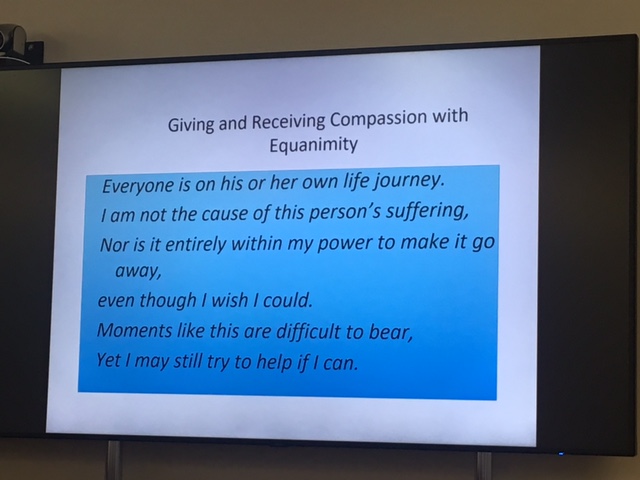
Two gentle young women led the day taking great care of everyone in the room and in complete harmony with each other. We started with a ‘soft landing’ – becoming aware of our feet on the floor, bum on chair, our breath and our finger tips. They called these short snatches of peace, the ‘green moments’. We were encouraged to create/access these green moments to transition from seeing one patient to the next or from work to home mode and vice versa.

The word ‘discernment’ was brought into my awareness. While the dictionary meaning of it is “the ability to judge well”, we were encouraged to scan our thoughts and ‘notice what’s not helpful’. It was a useful concept. It helped me locate stuff that was unnecessarily cluttering up my mind and blocking light from entering this sacred space.

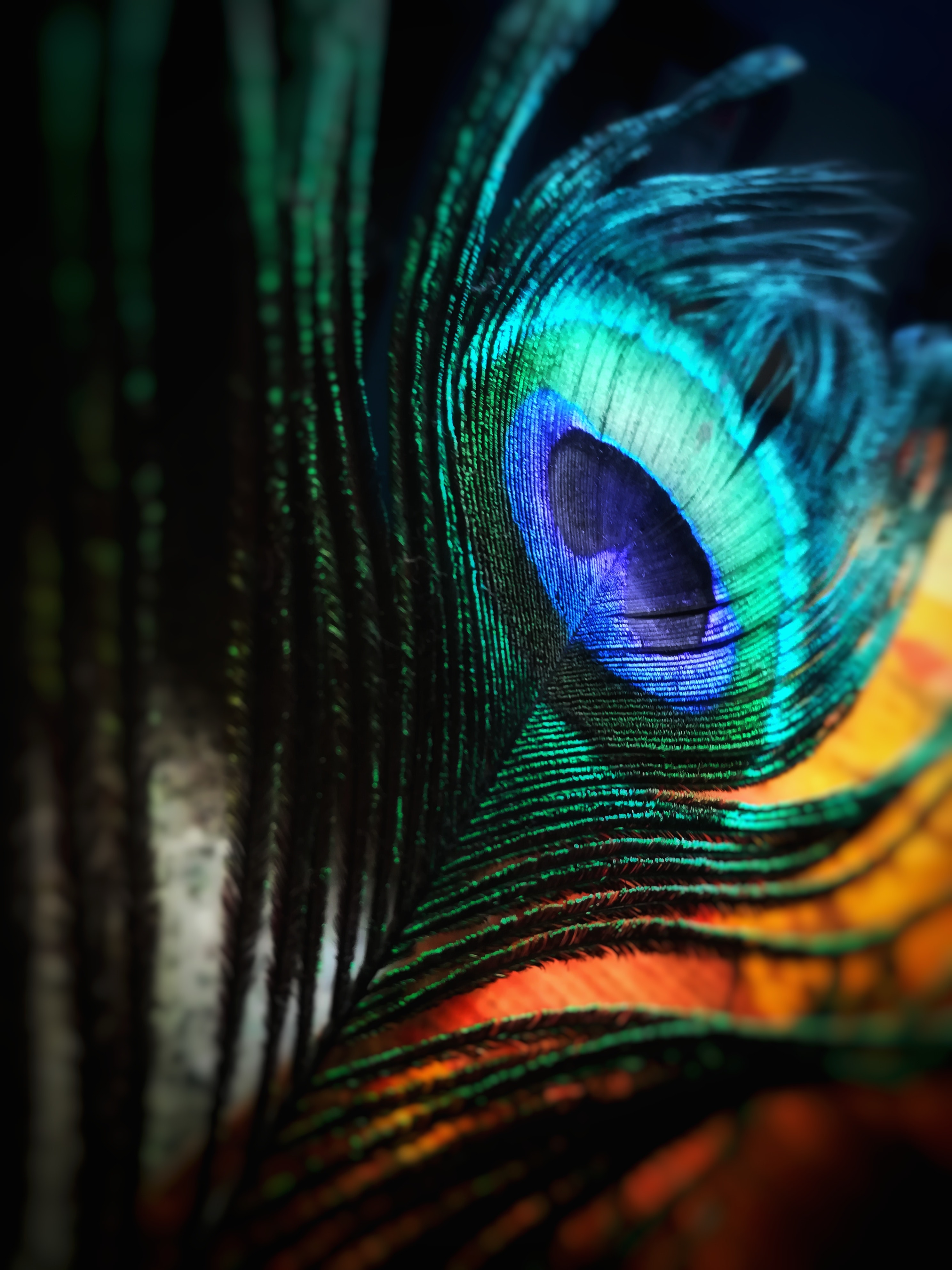
I remembered that as a teenager I had a big scrap book filled with my collection of feathers of all kinds, my favourite being the peacock feather. Where did that dreamy girl with 2 pig-tails go?

For a while I could hold the little girl in me lovingly in my arms and marvel at her innocence and beauty, appreciate her child-like sense of wonder and creativity. This sweet girl is me. Perfect and complete in every way. All she needed was to be seen. By me.

Caring with compassion for you and me.

No shame. Just love.

Last week I met Matt. A young man, calmly determined to share his story and open up a rainbow that would envelop the world and knit it closer together. A story of a glorious love, a damning shame and a tragic unnecessary death.

Matt and Naz met in Birmingham in the year 2000 and instantly fell in love. Matt Ogston and Dr Nazim Mahmood. Both men. Men in love. They tried having a relationship in that city but knew that if they wanted to live like normal people doing normal things, they’d have to move away. So, they did. Over the next 13 years they built and lived a fulfilled and happy life together in London. All this time they managed to hide their gayness from Naz’s family as it was guaranteed to create unhappiness.

One weekend Naz needed to go back to Birmingham for a family event. The question of his sexuality came up and he spoke the truth. As expected, his family reacted badly. He was told that he was living in ‘sin’ and his ‘condition’ was treatable. I cannot imagine how he must have felt. Deeply humiliated I guess. That day he must have known that now, he could never be the man he was born to be. His love for his fiancé would always be seen as sin by others he deeply loved.

He returned to London. To Matt. Two days later he ended his life.

In his utter devastation, Matt found the determination to do what he could, to stop religion from getting in the way of love. He set up the Naz and Matt Foundation.

“Our mission is to never let religion, any religion, come in the way of the unconditional love between parents and their children.”

Mum’s the problem.

Recently I have met a Professor of Psychotherapy, a Consultant Psychiatrist and a GP – all parents of children lost to mental illnesses. Here’s what one mum says:

“Whenever I have seen a therapist, they have gone straight to my childhood, my up-bringing, my parents and their parents. All my behaviours and feelings seem to be explained and understood based on their behaviours, however ‘normal’, for their times. I am encouraged to think of all the ways in which they could have directly or indirectly damaged me.

By that principle, all of my child’s behaviours and feelings should be explained and understood based on the behaviours of his parents. Half of them is me. I agree. I must be part of the problem. My profession is perceived as a bigger problem. ‘High achieving Asian’ parents are assumed to put a lot of pressure on their children. So much so, the medics looking after him didn’t even need to meet me or know the quality of our relationship to be certain that my job makes me a bigger problem than most other mums. They could squarely put the blame on me and actively keep me out of the picture. I asked too many questions. I was the biggest problem. They wrote it in their notes.

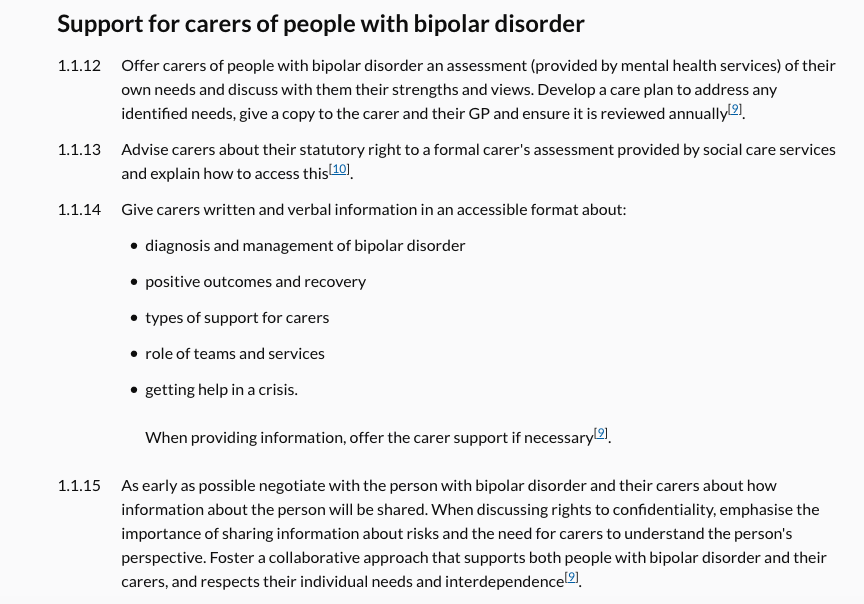
However, that does not mean that I cannot be part of the solution. NICE guidelines lay out my role beautifully but do the people on ground read any of these guidelines? In my experience, not. If half of all that is written in Policies and guidelines was implemented, families could engage meaningfully in helping their kids recover.”

Screen Shot 2019-04-23 at 23.01.58

Ref: https://www.nice.org.uk/guidance/cg185/chapter/1-Recommendations#recognising-diagnosing-and-managing-bipolar-disorder-in-children-and-young-people-2

It is all a dream.

Dream

When I stood in front of all those people, my arms were branches of an old oak flailing in a wild wind, my throat was shouting out commands like a drill sargeant at the top of his voice, my eyes were wide open and desperate to get through to everyone in the room. My chest was an erupting volcano and my feet had thrown deep roots into the ground. I invited Saagar and all my angels to help me as I felt exposed. The ‘normal’ part of me wanted to protect Saagar and me from people’s judgements. I am sure some were being made as I spoke. That is ‘normal’ too. But the mother in me stood like a warrior, absolutely disregarding any consequence, complete in the conviction that this was the right thing to do. It was difficult but it was worth doing.

Three times this week. Three times I got to show Saagar off to a bunch of doctors – 250 and 18 and 9. So, 277.  They saw the light in his eyes. They now know that many suicides are preventable. They know the stigma and silence of mental illness and suicide. They know that every mention of suicidal thoughts should be taken seriously. That if they notice a colleague, a friend or a family member behaving strangely, they can ask them ‘Are you ok?’ And whatever the answer, they can deal with it.  They know that it’s ok to go as far as asking, “Are you thinking of ending your life?” It’s difficult but worth doing. It might save a life. That no one is immune. That everybody can make a difference. That many doctors are lay people when it comes to suicide and believe in popular myths. That doctors, dentists and vets are very high risk groups and need to take good care of themselves and each other. That the medical curriculum is all about physical illnesses. That Mental Health services are broken in this country and we all need to educate ourselves and strongly advocate for our near and dear ones if, God forbid, the need arises. That charities like Papyrus do a great job of helping young people. That when it comes to suicide, there is only prevention. No cure. They now know when, where and how to find help.

Later on, a young lady chatted with me about how useful she found the content of my presentation and how it helped that it was delivered in such a calm and composed manner. Really? Was she talking about me?

Ref: Art of Conversation (NHS Scotland) :
http://www.healthscotland.com/documents/2842.aspx