Raintree

This is not a monastery, a hermitage or a cave.

It is our one-bedroom house. No bellringing to tell me it’s time to go to the church hall to pray.

No fixed routines. No group meditations. No tedious chores.

This is my home. I have been here by myself for 6 weeks. Mostly silent. Listening. Being.

The wind, whispers and then howls, bashing the banana plantation outside my window, pushing all the birds back into their nests, felling trees and forcing me to stay indoors.

The monsoon makes a dramatic entry, takes over the skies.

The morning ritual of making ginger tea. I sit by the big window, drinking it, present to the light of the day. Grateful for it, I smile.

The luxury of silence and solitude!

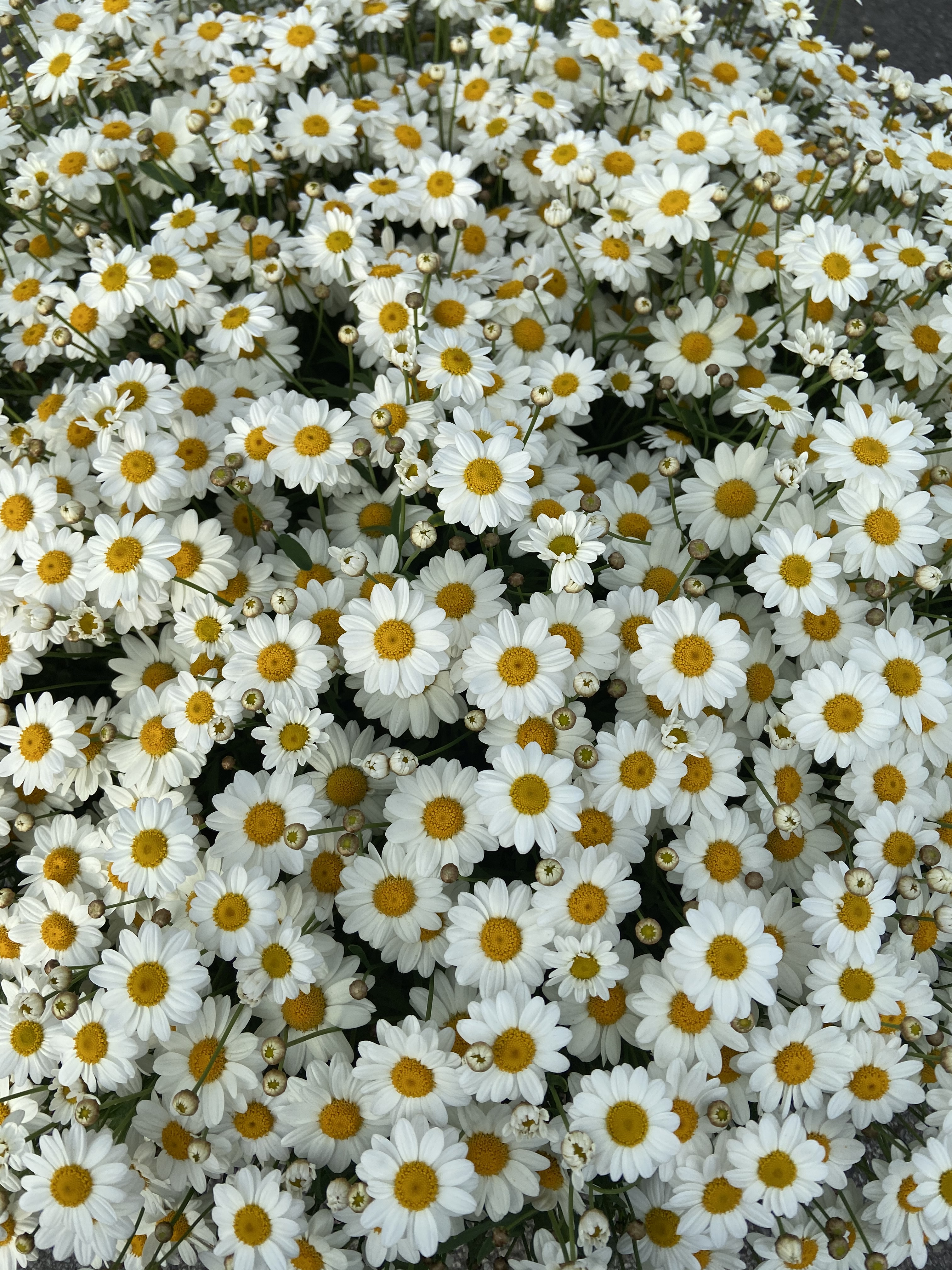
I drive to the farm. Today is the day to plant a raintree. Early monsoon is a good time for it. The three feet tall sapling has travelled on an overnight train all the way from a friend’s garden in Goa. Known for its fifteen-meter-wide umbrella shaped canopy, it needs a lot of space. We mark the spot on a clearing, dig a hole, put the root ball into the moist soil, add some compost and cover it up. Two sticks support the young tree and it’s on its own. Good luck, Buddy.

My brother calls in the evening to inform me about the air-crash in Gujarat.

I light a candle and sit with my eyes closed. Tears streaming down my face, my chest bursting with pain. God bless their souls and their families. God bless them all.

Night arrives. Si calls up. He asks if I was aware that yet another war had begun in the middle east. I didn’t.

Why? Isn’t there enough suffering in the world already?  

I think about the raintree. I wonder if it will survive this sharp heavy monsoon. Who can say? No one.

Silence. Solitude. Surrender.
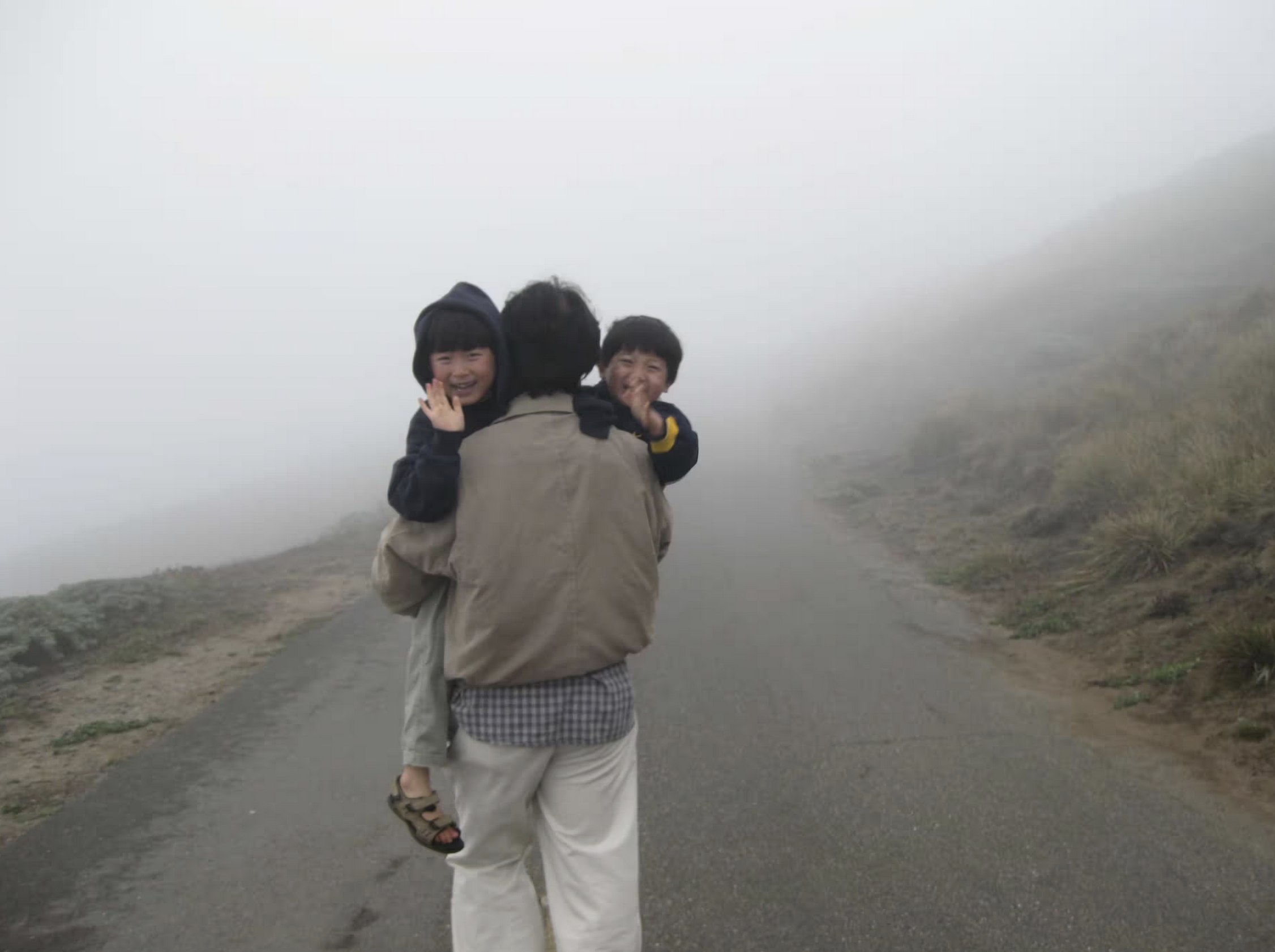
Vincent and James.

2017 – 16. Male. RIP.

2024 – 19. Male. RIP.

Brothers. Second generation Chinese immigrants in USA. Their mother, a writer who lost both of them to suicide.

Where Reasons End (2019) by Yiyun Li, after Vincent’s death.

I read this book when it was first published. An imagined conversation between her and her older son, Vincent who lived ‘feelingly’. Sixteen chapters, one for each year of his life. It has a witty and mischievous tone. Nicholai, a name he gave himself, chides his mother’s new embrace of cliches and adjectives. “If you’re protesting by becoming a bad writer, I would say it’s highly unnecessary,” he says. (“Dying is highly unnecessary too,” she shoots back.)

Things In Nature Merely Grow – Pulitzer Prize Finalist 2025, by Yiyun Li, a memoir. She wrote it within two months of her younger son, James’ death. I feel deeply for her and with her but I am not sure I want to read that book right now. A few lines from it sing true:

“I am in an abyss. If an abyss is where I shall be for the rest of my life, the abyss is my habitat.”

“My children were not my burden. My sadness is not my burden.”

“I am very realistic in that I would always acknowledge that I am limited as their mother. I was limited, and I am still limited as a mother, so I can only do my best.”

When people hold an expectation that her grief must have an end date, she retorts, “How lonely the dead would feel, if the living were to stand up from death’s shadow, clap their hands, dust their pants, and say to themselves and to the world, I am done with my grieving; from this point on its life as usual, business as usual.”

“This is a very sad fact of our lives, they took their own lives knowing we would accept and respect their decision.”

Could I accept and respect Saagar’s decision one hundred percent? I believe it was not his decision. It was his utter helplessness and desperation in the face of his illness, his unsuitable antidepressants, lack of medical care, his isolation, his inability to recommence his education, our inability to talk about it and so much more. He was driven to it. It was not by choice. Anyone who knew him, knows that. I do understand though.

I understand, my darling.

References:

https://www.theguardian.com/books/2019/feb/05/where-reasons-end-yiyun-li-review#

https://www.theguardian.com/books/2025/may/17/author-yiyun-li-on-the-suicide-of-both-her-sons

Every day a good day?

After one year of near-perfect climatic conditions, when it rains non-stop for three whole days and nights, one starts to notice the changing inner weather-system.

Isn’t everything pristine as is? A day is a day. Clouds are nothing but clouds. Trees are simply trees. Nothing good or bad about them. They are what they are. When seen through a clean lens, things can be seen as they are. The smudges come from our judgements. It is one thing to notice how they make us feel and another to blame them for being there.

He shouldn’t have made that horrible remark.

The car was seriously misbehaving.

That fire-door nearly broke my arm.

What a noisy bunch!

Mango good. Jack-fruit bad.

Sun good. Rain bad.

Birth good. Death bad.

Untimely. Preventable. Tragic. Etc. Etc. Blah…blah…blah…

It is absolute. So is the mango, the rain, the love. Absolute.

One day I will die. I live, remembering that each moment that I am alive is a miracle. I am way beyond my preferences, opinions and thoughts. I am not them. They are not me. That every day is a good day, I am beginning to see.

Two overlapping worlds.

The Bhagavad Geeta addresses the ethical and moral dilemmas around the questions of who we are, how we should live our lives and act in this world. If this voluminous text was to be summarised in two sentences, they would be:

  1. Do what needs to be done, knowing that all actions come from God.
  2. Do not be attached to the results of your actions.

Six weeks ago, I re-entered the world of Suicide Prevention due to a presentation I agreed to make. It took me back to a familiar battleground where strong currents of injustice flowed through me. I went over our story yet again, in mind and body. It burnt me up. It made me restless and irritable. It kept me staring at the ceiling at night. It brought back the shit of guilt in big droppings. It was silly of me to agree to do it, but it was too late already. I wrote it down, prepared a set of PowerPoint slides to support the story.  I repeated it for the nth time to many. I wondered, to what end, but I did it anyway.

Four and a half years ago, when my road gradually swerved from the Suicide Prevention world towards peer support with other parents, it was like a cool breeze gently blowing in my face. That conversation felt like a proper invitation. Instinctively I knew it was good for me. Despite huge self-doubt, I trusted that path. I went with it. This work was also about preventing isolation and possibly suicide amongst parents, as our risk is 60-70% higher than others. It did not feel like work at all. We formed strong bonds of friendship. We shared deeply and held each other in understanding and compassion. This felt like home.  

The organisers at National Confidential Inquiry into Suicide and Safety in Mental Health provided me the best possible support to be able to present my thoughts. The comments on the chat were that of gratitude and inspiration to change. One person said that it was better than any training course they had attended. I am glad that I did what was needed. The strength to do it came from somewhere. Now, it can do its work and I can go back home.

The recording is here (‘Bridging the gaps’ starts 6 minutes and 45 seconds in).

Wrap-around?

“What can we do to offer wrap-around care to our patients?”

In the live Q&A at the end of the NCISH conference yesterday, this question was asked of the panel. The Chairperson directed it towards me. I can’t remember what I said. This morning I woke up with what I would have liked to say.

For wrapping, we need two things. One, the fabric which we are going to use to wrap and the person we want to wrap. Let’s discuss them one by one.

  1. The fabric

The fabric of Suicide prevention in Health-Care is made up of two things – people and systems. Let’s look at them a bit closely.

  1. People

What are the beliefs of the people?

I know of an ENT surgeon from another country who wanted to move to the UK and the only job he could find was in Psychiatry. So, he is now training to be a Psychiatrist. Is he interested in suicide prevention? Do Health-care professionals believe that suicides are preventable? Are they content that simply by treating mental illness they are doing their job?

What are the attitudes and abilities of the people?

When the Emergency department calls to say there is a suicidal individual waiting to be seen, how do they feel? Are they excited to have an opportunity to make a difference? Or is it a drain on the limited time and energy they have? Do they know how to build a compassionate connection with someone who has lost all hope? Have they received any training in Suicide Prevention? Do they have enough self-compassion to look after someone else well?

Do they have the resources and the knowledge to do a good job?

Do they have access to their past history? Do they have beds on the ward? Can they ask a colleague for a second opinion if they have a doubt about how to involve family or friends in their care? Do they know of other resources, like charities, activities and people that may help this person? Do they have comprehensive and informative leaflet they can share with them? Do they have the means to follow them up?

b. Systems

Does the system have capacity? Are the various parts of the system effective and joint-up enough to be able to hold the person they are trying to wrap or are there big holes in this part of the fabric? Do the various parts of the system share the same mental model, a shared knowledge, pre-suppositions, and beliefs that can be used to help achieve mutual goals? Are their practices evidence- based? Do they investigate deaths with a view to learn lessons and implement change? Do they look after the well-being and emotional health of their employees? Do they hold themselves accountable when things go wrong?

2. The person

Allowing space for them to express themselves. Help maintain their sense of agency. Inform them it is safer for them to involve other people who care for them. Equip them with resources. Give them the support they need. Ask them what would help them? Listen. Sit with their despair. Acknowledge it. Keep them connected with their life as they know it. Keep hope alive for them.

Know that the person at the centre of the wrapping is of great value.

Information is useful if it becomes knowledge. Knowledge is useful when it becomes wisdom. So, let us not stop at information.

Ref:

Reaching common ground: The role of shared mental models in patient safety : https://journals.sagepub.com/doi/full/10.1177/2516043518805326