Last night, sleep would not come. As I lay breathing in bed, with my eyes closed, a huge wave of thoughts flooded in, unfurling a surge of all kinds of feelings. Pride. Sadness. Joy. Nostalgia. Everything in between. I tried to focus on listening to the chirping crickets and the silence in between those sounds, the ruffle of the dogs, the incessant mosquito, the rustle of the leaves, Si’s breathing. I tried to recede into the stillness behind these thoughts and invite sleep in that way but that proved to be pointless. It did not want to come. Not yet. The jostling with thoughts went on for a while. It felt natural. It carried on non-stop for about three hours. Luckily, it did not turn into a flight and saved me a lot of energy. I let the body rest despite the mental acrobatics. Even though my heart was drumming in my ears, I lay still. Quiet.
This is possibly what they mean when they say about our final moments – ‘your whole life flashes past your eyes.’ It was not unpleasant. It was natural for it to happen, even though it was an utterly non-consequential happening. It was in anticipation of a big change.
Today, the sale of our UK home was completed. It was ours for twenty years.
No more dinner parties, parcel deliveries, Council tax, gas and electricity bills. No more local library, pub, cafe or cinema. No more knocks on the door by our friends, cleaner or neighbour. No more fire-engine sirens from the fire brigade down the road. No more parking in front of the blue door. No more waiting for Bus numbers 196 and 468.
No more heartache while walking past the GP surgery or the Train station.
At a recent wedding, halfway through his speech, the bride’s father was overcome with tears. He was so happy for his daughter that he couldn’t help but cry. It was a sparkling moment of a mixture of affection, achievement and perhaps relief. Even though it took him by surprise, it was perfectly normal and rather sweet.
At the hospital, I watched men and women cry with joy at the first sight of their newborn baby. It was joy to behold their love and terror of having this amazing miracle happen to them. I have taken many photos of those moist eyes brimming with love.
Babies cry to express their hunger or discomfort or pain. Adults also cry to express themselves but somehow, they don’t seem to have as much permission as kids. When we’re happy, we laugh and that’s okay. When we’re sad, we cry and that’s often not okay.
Jesus wept. (John 11:35)
When he visited the tomb of his friend, Lazarus, Jesus was moved to tears seeing the sorrow of those mourning his death. The verse comforts believers by showing them that Jesus had empathy for the grief, loss, and pain that humans endure. Despite knowing he was about to raise Lazarus, he felt for them in that moment. He had solidarity with the human heart.
The protective mechanisms built into our bodies are very subtle. The eyelids blink to ensure that the cornea remains moist, so we can continue to see clearly. It happens without us noticing. As soon as we put something in our mouths, our saliva starts to counter potential troublemakers in our food. When we change our position from sitting to standing, the biomechanics in the body readjust to ensure that we don’t fall over. A sense of balance in innate to us while standing and walking.
Crying also protects. It works as a pressure-release valve. When our emotions are intense and difficult to contain, crying helps to reestablish emotional equilibrium. It is a cue for connection with others as it is founded in our vulnerability as humans.
To stay with each other until the flood subsides.
To hold each other. Talk. Listen. Be present
That’s how we hold space for feelings, allowing them to be fully expressed.
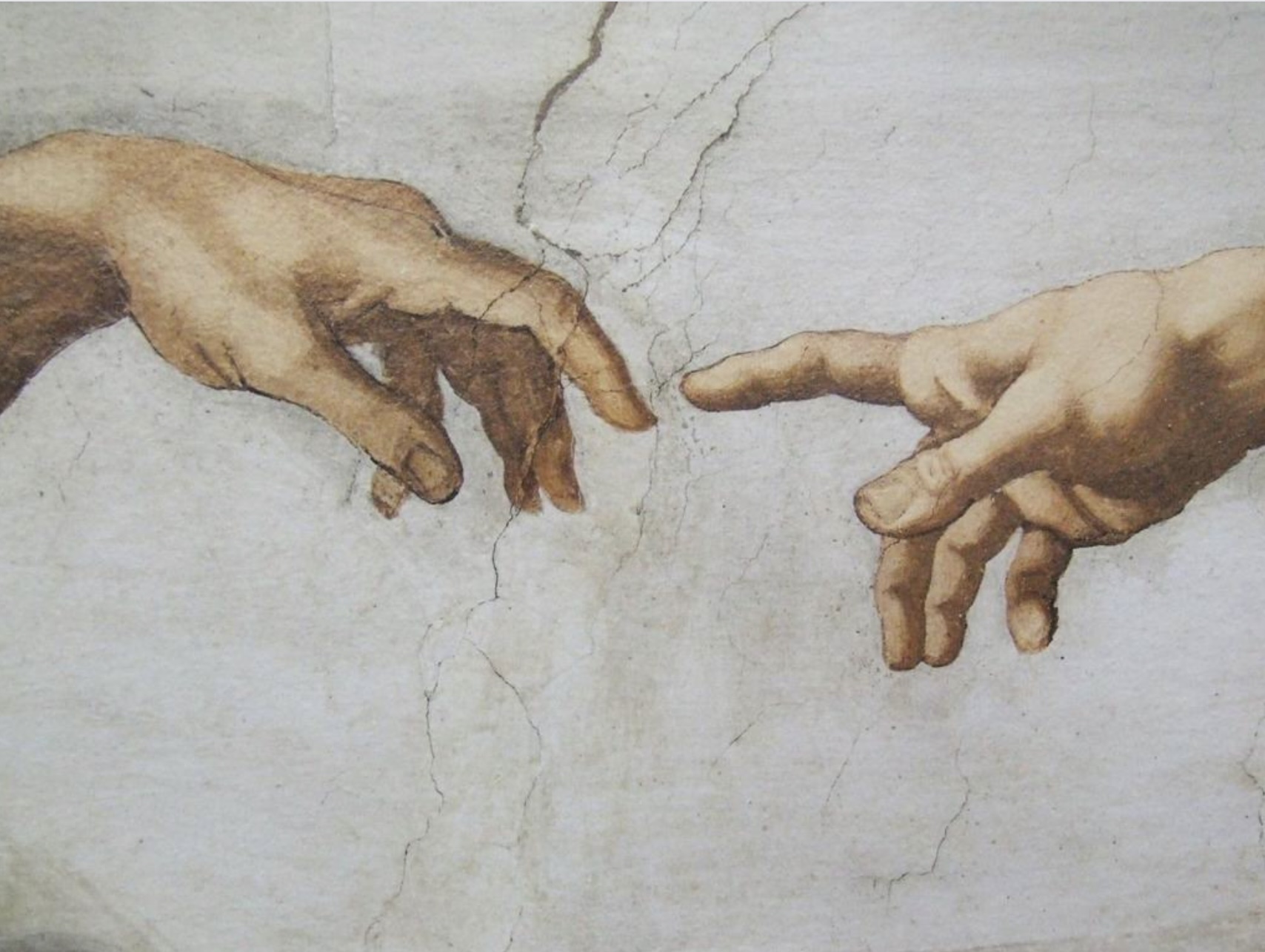
That is how we experience divine love.
Resource:
CORe: Circle of Remembrance. A free online peer support group for bereaved parents, where crying is honoured.
A café on a sunny beach in Goa. Lunch with friends. Rava dosa and spicy sambar. In walks a woman of European descent, possibly a few years older than me. She sits at the table opposite us. She has two deep vertical frown lines just above either side of the bridge of her nose. They seem to be fixed in place. She orders a white coffee and waits, looking at her phone and then turning to look out of the window. Looking at her phone and turning her head towards the window. This pattern repeats. The lines stay firmly in place. I wonder why. She is obviously travelling. Wonder if she has someone with her or not. Has she made some friends here? I wonder if I should ask but it might seem strange to her and others in the eatery.
I was still debating whether I should or shouldn’t, when I saw her pay her bill and leave. I excused myself and followed her out. She walked to the right with her arms crossed across her chest and her head bent forward.
“Excuse me.” I called out. She turned around.
“Sorry to disturb you. I was in the café there. You seemed to be worried about something. Of course, it’s not my business but if there’s something you want to talk about, I have time.”
‘Oh. Thank you. Things are not great at home. Nothing too serious but I feel so far away.’
“I am sorry to hear that. Are you okay?”
‘Yes. I am okay, I think. I have a couple of friends. We’ll meet up later and talk things over. Thank you for bringing some light into my day.’ She smiled, the frown softening.
“May I give you a hug?” I asked.
“Yes. Please.”
We had a moment, said our goodbyes. I slipped back into the café, gently sat down and blended back into the conversation.
“If everything around seems dark, look again, you may be the light.”
– Rumi.
For this new year and for ever more, I wish you be the light that you are, for others and yourself.
Most of his stories are based in small towns and villages of 1950s Ireland. He writes about the underdog: small men and hard-done-by women. He has a deep concern for sexual exiles. His writing is true to that time in history because he normalizes silence, evasion and ambiguity. His fiction reads like truth. It reminds me of the time we lived in Northern Ireland. Almost every day I was flummoxed by the response I got on asking a colleague, how they were.
“Not too bad.”
I was never sure what that meant. Were they well? Or not as well as before? Or not as unwell as before? Not as well as they could be? Bad, but not too bad? I soon came to accept that as normal. In time I came to understand it as a safe answer – not giving away too much. It was historical.
William Trevor was a genius at talking about the unknown known, of knowing and not knowing at the same time. A cognitive disjunction. A common social ailment.
Yes. Mary Louise is in a loveless marriage to an older man and everyone in their small town knows but they pretend like they don’t.
Yes. Everyone knows that Elmer is becoming an alcoholic, but they act like they don’t.
I lately read ‘Two Lives: Reading Turgenev & My House in Umbria’– a book with two artful novellas by Trevor. Reading Turgenev was shortlisted for the Booker Prize in its time. My House in Umbria was made into a film in 2003, available on YouTube. I haven’t watched it but apparently Maggie Smith is brilliant and the end has been changed for Hollywood.
For me, the protagonists of both these stories exemplify how hidden and unacknowledged grief can escort one to the thin red line between sanity and insanity. Both women are poorly understood even by people who claim to love them, their coping labelled as unacceptable, erratic and bonkers. Judged, condemned and outcast for simply managing their losses. Punished for somehow managing their loss. And finally, put away.



 kidsaregifts