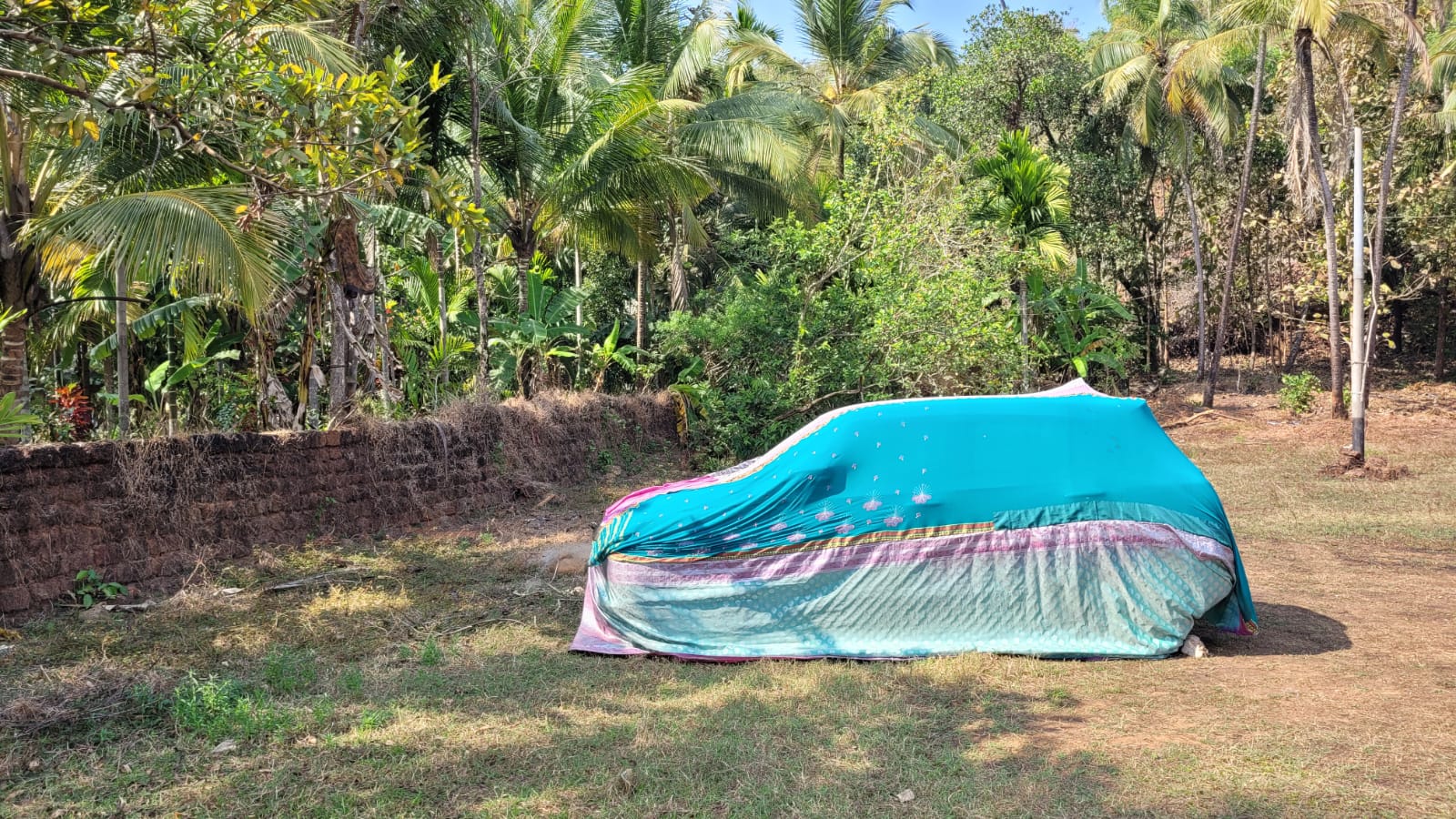
In this land of limited resources, every day we see ingenious use of everyday things – old saris stitched together to cover a car, old tyres reused as planting pots and old t-shirts repurposed for dusting or cleaning.
When I moved to the UK, I was horrified at the amount of paper that was binned for the smallest of reasons – a slight crinkle, a minor misprint, a tiny smudge. People failed to notice that there were two usable sides to every A4 sheet. If one side was unusable, the other was there to jot down a list, play knots and crosses, or simply, create a doodle. It is refreshing to return to a place where hardly anything is discarded as useless, unless it really is. The inventiveness of the people is inspiring, even though it is motivated by saving money. They probably don’t know it, but they are also helping save the environment.
Limitations can serve creativity. That is why deadlines work. They push you to finish. It is easier to write in response to a writing prompt as it focuses the mind. Newton came up with the Theory of Calculus in quarantine. Faith Ringgold was born in Harlem. She was an arts teacher who wanted to paint large canvasses but didn’t have the space needed. So, she started stitching themed pictures into quilts, which she could carry and display with ease.
Recently, I’ve been wondering if my creative efforts at teaching Spoken English to the local kids will be of any use to them in the long run. The school’s modus operandi is cramming. They have a verb for it – by-hearting. I believe corporal punishment is forbidden on paper, but you wouldn’t know that in practice. The rule remains stuck to the paper.
If nothing else, we create a few light moments in the day. Some colour, some play, some laughter, some movement. Maybe that’s enough for now.
Last night, sleep would not come. As I lay breathing in bed, with my eyes closed, a huge wave of thoughts flooded in, unfurling a surge of all kinds of feelings. Pride. Sadness. Joy. Nostalgia. Everything in between. I tried to focus on listening to the chirping crickets and the silence in between those sounds, the ruffle of the dogs, the incessant mosquito, the rustle of the leaves, Si’s breathing. I tried to recede into the stillness behind these thoughts and invite sleep in that way but that proved to be pointless. It did not want to come. Not yet. The jostling with thoughts went on for a while. It felt natural. It carried on non-stop for about three hours. Luckily, it did not turn into a flight and saved me a lot of energy. I let the body rest despite the mental acrobatics. Even though my heart was drumming in my ears, I lay still. Quiet.
This is possibly what they mean when they say about our final moments – ‘your whole life flashes past your eyes.’ It was not unpleasant. It was natural for it to happen, even though it was an utterly non-consequential happening. It was in anticipation of a big change.
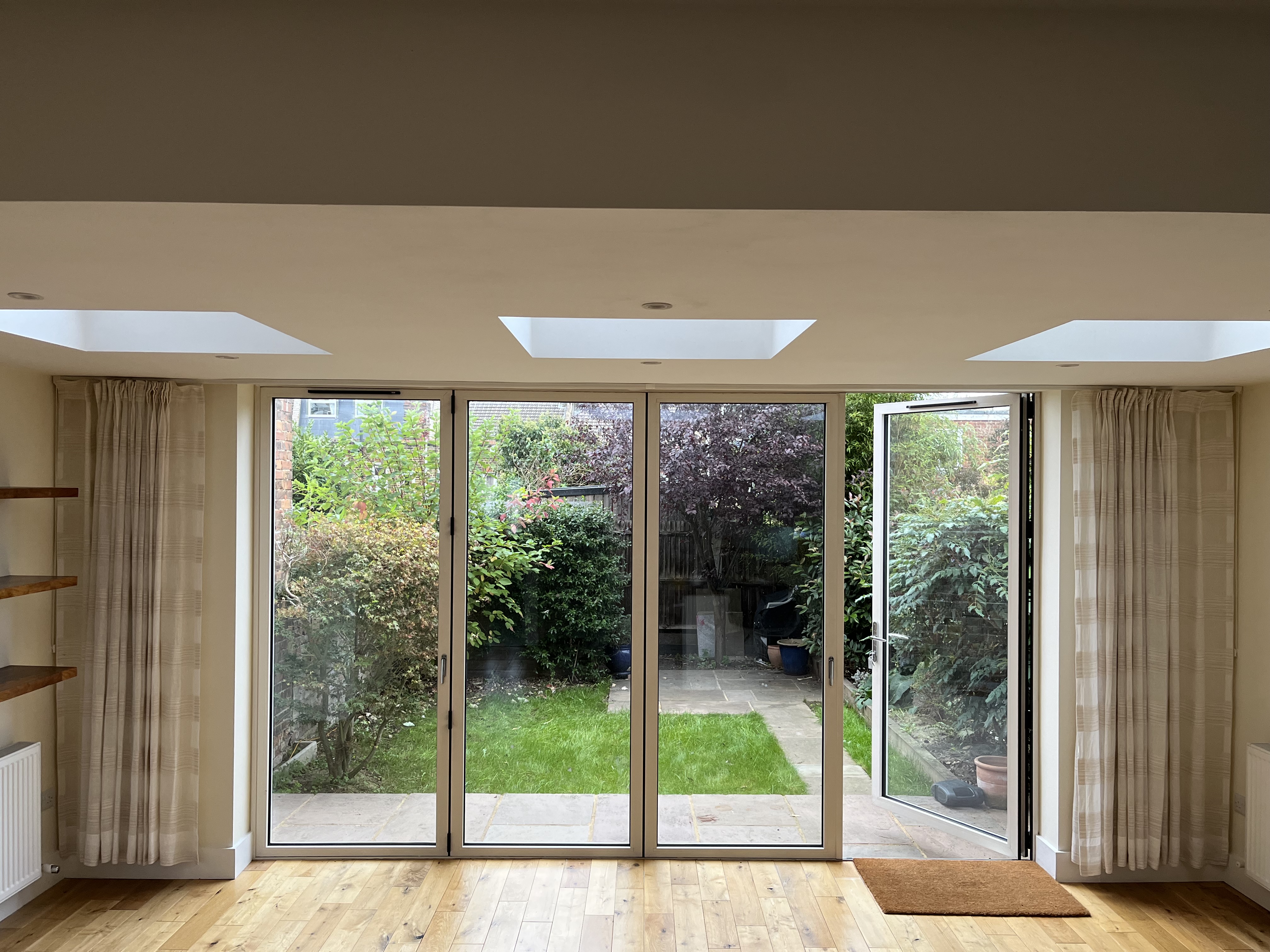
Today, the sale of our UK home was completed. It was ours for twenty years.
No more dinner parties, parcel deliveries, Council tax, gas and electricity bills. No more local library, pub, cafe or cinema. No more knocks on the door by our friends, cleaner or neighbour. No more fire-engine sirens from the fire brigade down the road. No more parking in front of the blue door. No more waiting for Bus numbers 196 and 468.
No more heartache while walking past the GP surgery or the Train station.
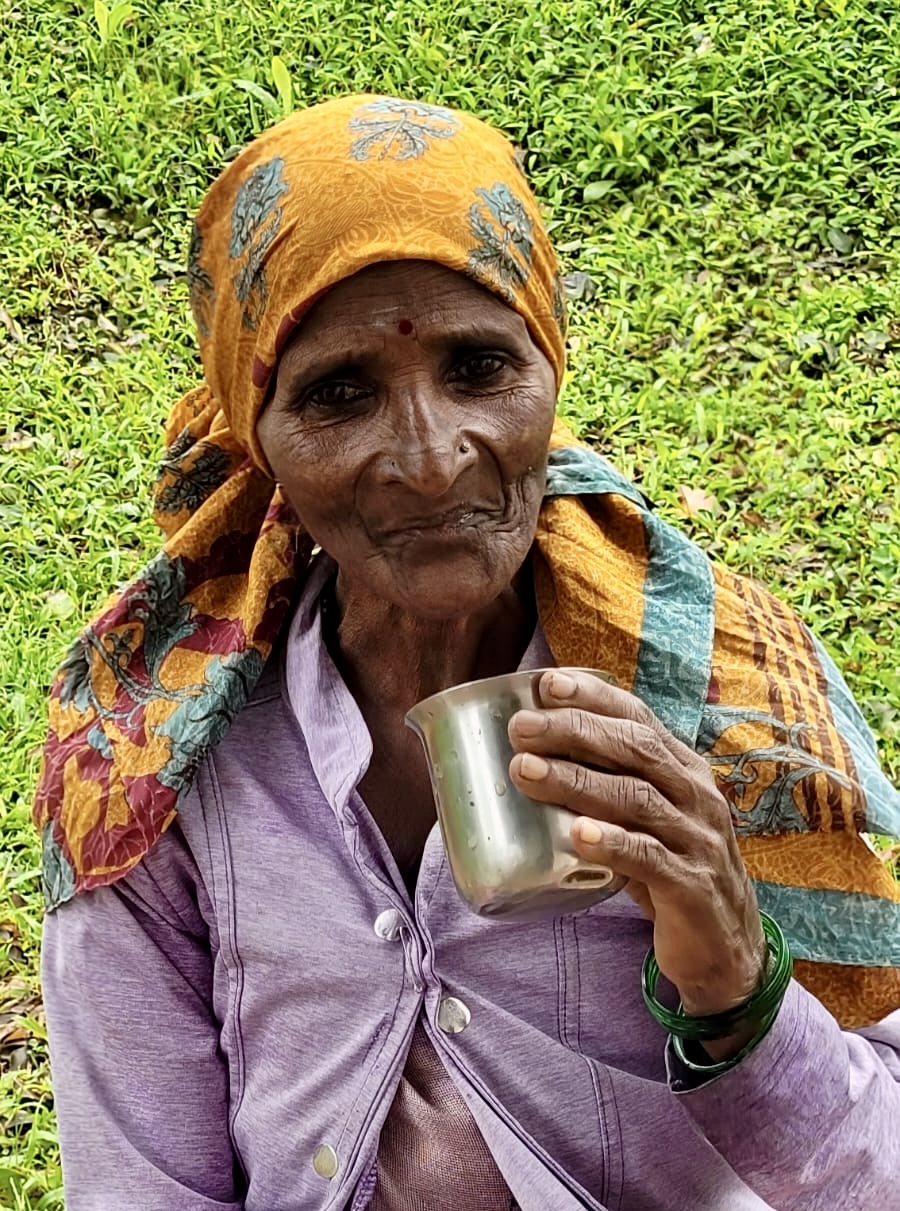
Her name is Devi. I see her every day. She works in the big house next door. We smile at each other when we meet accidentally. I see her in the garden, watering their plants, taking out rubbish bins, sweeping dead leaves. I see her in the courtyard, putting things out to dry in the sun – red chilies, black pepper and coffee beans. We have no common language except our smiles.
My neighbour says she was born in this village and has hardly ever left. She has been a house-help for decades. She doesn’t have a phone. She doesn’t like dogs. She doesn’t talk much. She has no teeth and loves drinking coffee. She takes Fridays off. Her husband died a long time ago. Her son moved to some big town some distance away. Her granddaughter goes to architecture school. That’s all I know.
She is a woman. A wife. A mother. Working. Making ends meet. She has suffered losses of various kinds and she smiles often, especially when someone smiles at her. She is looking after herself the best she can.
On a closer look, she is like me. We have a lot in common. While our bodies are materially different, we are nourished by the same air and the same Earth. The same sun and stars shine upon us, and we come from the same soil. We both wear green glass bangles.
My thoughts, feelings and stories are possibly different from hers, but we are both aware of our respective experiences. What is it that’s aware of all this? If my mind would journey back from the stuff of life to the source of its knowing, where would it find itself? In a field of awareness. We both have that field in common. Each of our minds shares the same awareness. The aspiration of the mind is to be relieved of all the limitations of its perception. That is why my heart is happy to see her in the mornings. While I respect our differences at a relative level, I hold a deep understanding that we are essentially, the same infinite being.
The experience of love is that intuition of our shared being with all Beings! No two. Only one. If each one of us could take this understanding into every situation, I wonder what kind of place our world would be.
(Inspired by the Advaita, or Non-Duality teachings of Rupert Spira)
At a recent wedding, halfway through his speech, the bride’s father was overcome with tears. He was so happy for his daughter that he couldn’t help but cry. It was a sparkling moment of a mixture of affection, achievement and perhaps relief. Even though it took him by surprise, it was perfectly normal and rather sweet.
At the hospital, I watched men and women cry with joy at the first sight of their newborn baby. It was joy to behold their love and terror of having this amazing miracle happen to them. I have taken many photos of those moist eyes brimming with love.
Babies cry to express their hunger or discomfort or pain. Adults also cry to express themselves but somehow, they don’t seem to have as much permission as kids. When we’re happy, we laugh and that’s okay. When we’re sad, we cry and that’s often not okay.
Jesus wept. (John 11:35)
When he visited the tomb of his friend, Lazarus, Jesus was moved to tears seeing the sorrow of those mourning his death. The verse comforts believers by showing them that Jesus had empathy for the grief, loss, and pain that humans endure. Despite knowing he was about to raise Lazarus, he felt for them in that moment. He had solidarity with the human heart.
The protective mechanisms built into our bodies are very subtle. The eyelids blink to ensure that the cornea remains moist, so we can continue to see clearly. It happens without us noticing. As soon as we put something in our mouths, our saliva starts to counter potential troublemakers in our food. When we change our position from sitting to standing, the biomechanics in the body readjust to ensure that we don’t fall over. A sense of balance in innate to us while standing and walking.
Crying also protects. It works as a pressure-release valve. When our emotions are intense and difficult to contain, crying helps to reestablish emotional equilibrium. It is a cue for connection with others as it is founded in our vulnerability as humans.
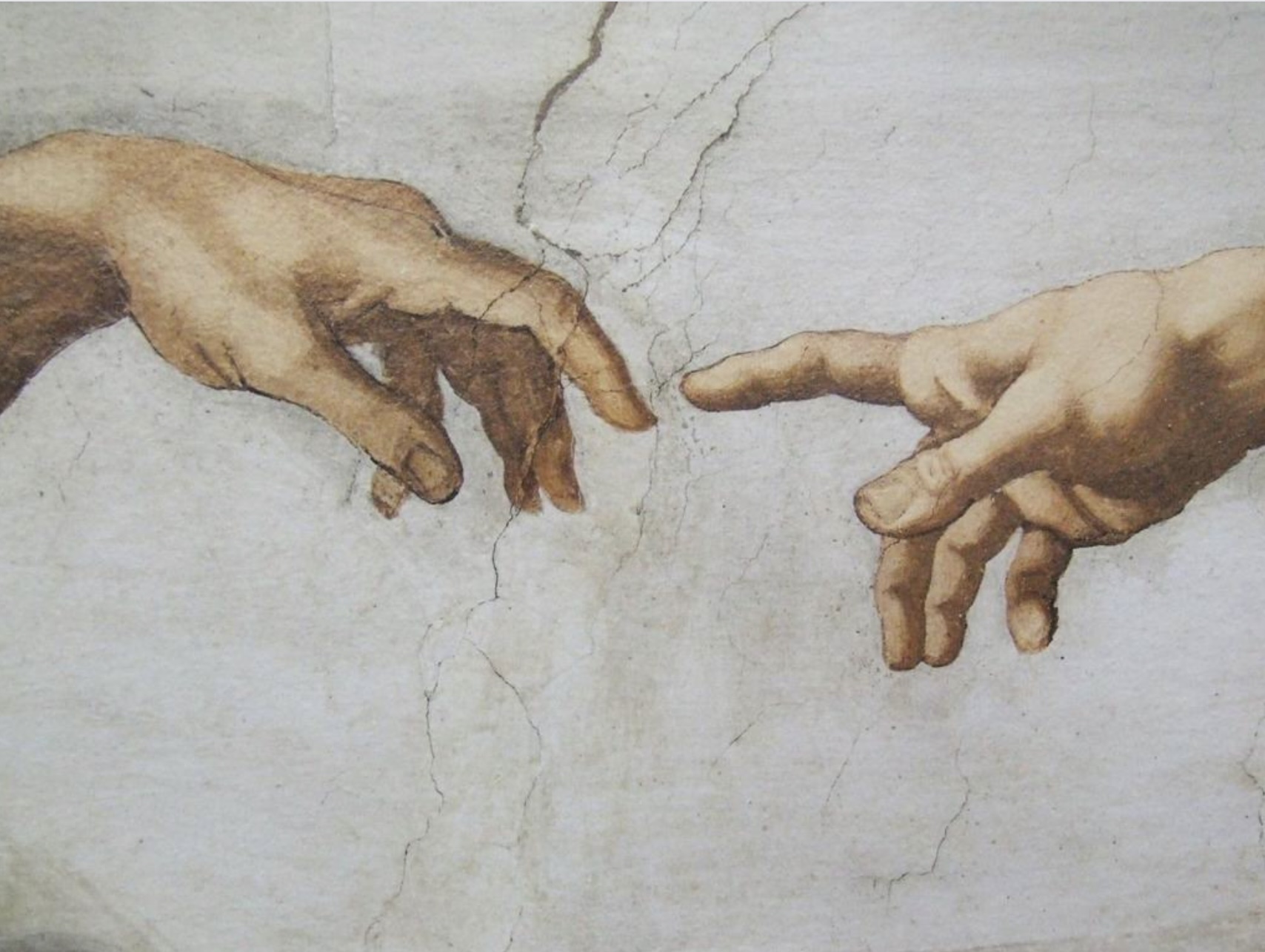
To stay with each other until the flood subsides.
To hold each other. Talk. Listen. Be present
That’s how we hold space for feelings, allowing them to be fully expressed.
That is how we experience divine love.
Resource:
CORe: Circle of Remembrance. A free online peer support group for bereaved parents, where crying is honoured.


 kidsaregifts